When you click the link, it will take you to the corresponding page.
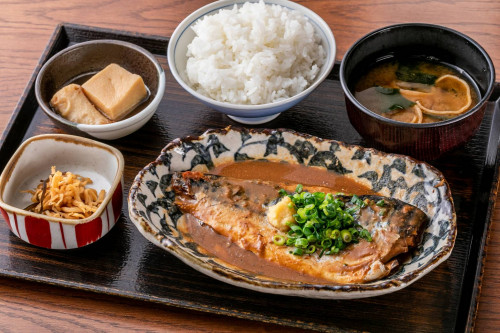
鯖の味噌煮定食
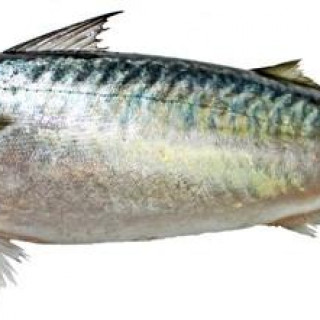
Mackerel (saba) is a key fish in Japanese cuisine, known for its rich, oily flavor. Classified as a blueback fish, it is packed with nutrients like DHA and EPA, making it a healthy choice. Due to its quick spoilage, saba is typically served as "shime-saba" in sushi restaurants, where it is lightly cured with vinegar to enhance preservation and add a tangy flavor. Shime-saba offers a perfect balance of the vinegary tang and the savory richness of mackerel, commonly enjoyed in nigiri sushi or pressed sushi (oshi-zushi). Other popular variations include grilled mackerel sushi (yaki-saba sushi) or lightly seared mackerel (aburi-saba), adding a smoky aroma. Mackerel is often reasonably priced, making it a popular and satisfying choice among sushi options.
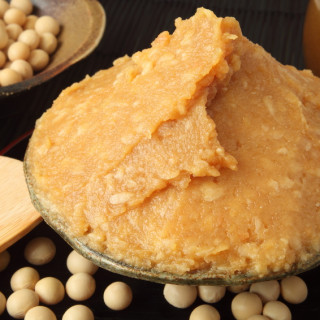
Miso is a traditional Japanese fermented seasoning made by mixing boiled soybeans with salt and koji (a fermentation starter). Depending on the type of koji used, miso is categorized into kome miso (rice koji), mugi miso (barley koji), and mame miso (soybean koji). When two or more types of miso are blended, or multiple types of koji are used, the result is called awase miso (blended miso). Miso is also classified by color into red miso (akamiso) and white miso (shiromiso), which differ based on how the soybeans are cooked, the amount of koji, the frequency of stirring, and the fermentation time. Red miso is characterized by its dark color and higher salt content due to longer fermentation. White miso, on the other hand, uses more koji and has a shorter fermentation time, resulting in a sweeter flavor. The commonly available yellowish miso is somewhere between red and white miso.